
Expiration Date or Best Before? The Difference That Can Help Prevent Waste and Protect Your Health
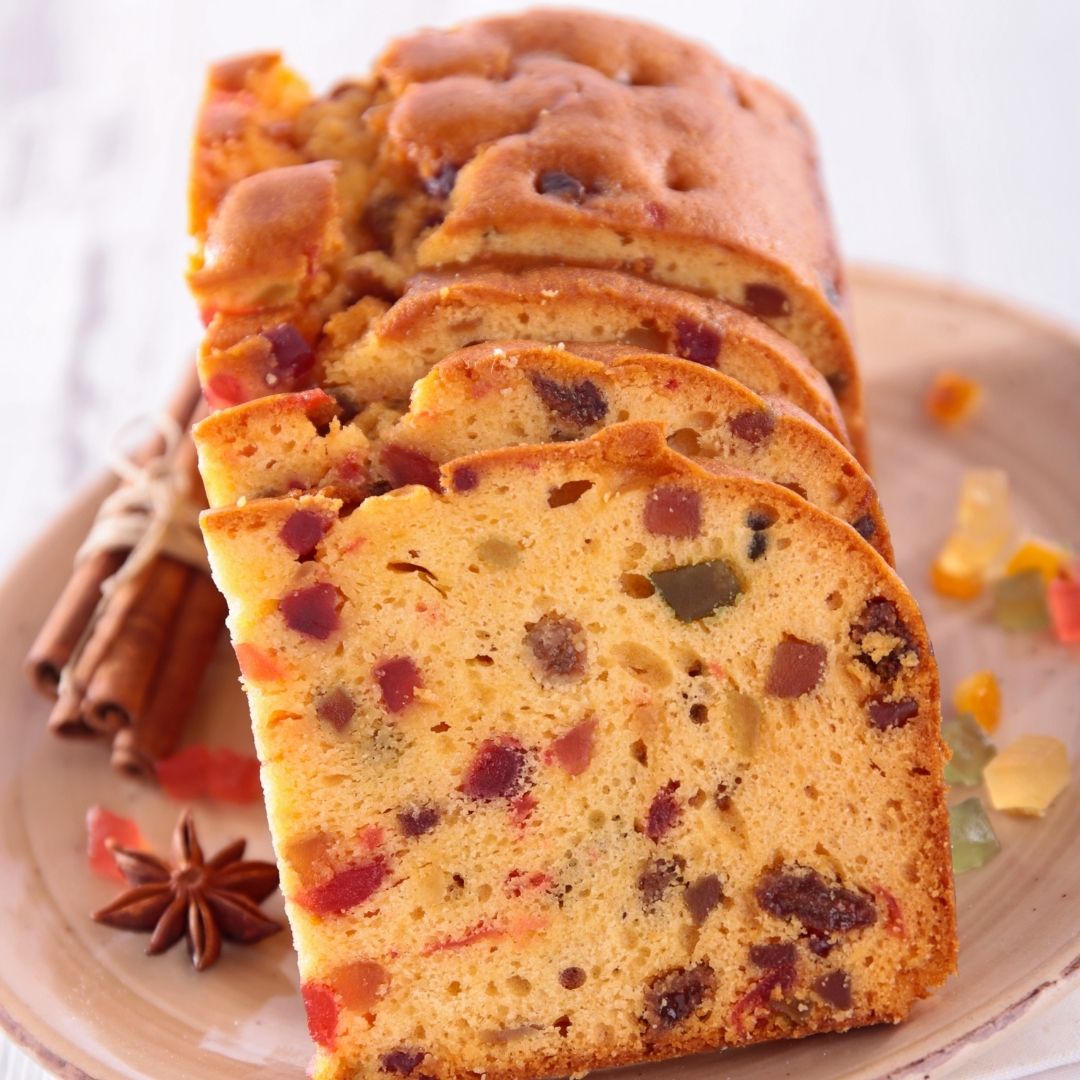
Have you ever thrown away food just because it was “past its date”? It’s more common than you might think. Often, we confuse two concepts that actually mean very different things: expiration date and best-before date. Understanding this difference not only helps protect your health but can also prevent unnecessary waste and save money.

Expiration Date: Related to Safety
The expiration date indicates how long a food product is safe to consume. After this date, the product is no longer recommended for consumption, as it may pose a health risk—especially for foods that spoil easily.
Some examples:
· Fresh meats
· Fresh dairy products
· Ready-to-eat refrigerated foods
In these cases, it is crucial to strictly adhere to the indicated date.
Best-Before Date: Related to Quality
The best-before date indicates how long a product maintains its optimal characteristics of flavor, aroma, texture, and appearance.
After this date, the product can often still be consumed, as long as:
✔ It has been stored properly
✔ The packaging is intact
✔ There are no signs of spoilage
It is commonly found on:
· Cereals
· Cookies
· Dry products
· Frozen foods
· Canned goods
· Food ingredients and additives
In these cases, what usually changes is quality, not safety.

A Little-Known Topic: Pantry Additives
In many kitchens—and small businesses too—it’s very common to buy ingredients or additives (colorants, stabilizers, flavorings, sweeteners) that are used only occasionally and stay stored for months.
When the best-before date arrives, many people throw them away automatically.
However, in most cases:
· They do not pose an immediate health risk.
· What may change is their strength, intensity, or performance.
For example:
· Colorants that lose intensity
· Sweeteners that become less sweet
· Stabilizers that behave slightly differently
· Powders that absorb moisture
This means they may perform differently, but they are not necessarily dangerous.

Natural Flavorings and Colorants: Normal Changes Over Time
Natural ingredients deserve special mention because they can change over time due to natural processes such as:
· Oxidation
· Exposure to light, oxygen, or temperature
· Evaporation of aromatic compounds
· Humidity
· Contact with air from improperly sealed containers
Natural colorants can also experience:
· Loss of color intensity
· Changes in hue
· Sedimentation in liquids
This can result in:
✔ Reduced intensity
✔ Slightly altered aromas
✔ Color variations
But in most cases, this is a matter of sensory quality, not food safety.
For example:
· Natural vanilla may lose its aroma
· A citrus flavor may taste less fresh
· Some extracts may darken over time
This does not mean they are dangerous—just that they are no longer at their peak quality.
Why Do Best-Before Dates Exist?
These dates also help manufacturers ensure that the product reaches the consumer with the best possible experience:
✔ Maintain consistent quality
✔ Ensure the expected flavor
✔ Manage inventory
✔ Protect the product’s reputation (brand)
However, this does not necessarily mean the food should be discarded immediately after that date.

How to Avoid Unnecessary Waste
Before throwing a product away:
· Check what type of date it has
· Observe its smell, color, and texture
· Make sure the packaging is intact
· Confirm it has been stored properly
If it’s a best-before date, the product can often still be used.
Understanding the difference between expiration date and best-before date allows you to:
✔ Protect your health
✔ Reduce food waste
✔ Save money
✔ Make more informed decisions
Next Time You See a Date on a Label, Take a Moment to Check It
You might be about to throw away something that’s still perfectly usable. And although we often assume food dates work the same way worldwide, that’s not the case. Each country has its own approach: some focus more on safety, others on quality. What matters, beyond regulations, is understanding what each date means so you can make informed decisions. Before discarding a product, it’s worth pausing, checking the label, and assessing its condition. Being informed not only protects your health but also helps reduce waste and encourages more conscious, responsible consumption.
In Summary:
Mexico and the European Union formally distinguish between safety dates (expiration / use by) and quality dates (best-before / consumption preferred), applying a more structured approach to food safety. In the United States, most dates are voluntary and primarily quality-oriented. Generally, if Mexican NOM standards regarding shelf life and technical support are met, the criteria are sufficient for the U.S. market, which is less strict about mandatory dates—except in specific cases like infant formula.
If you have doubts about a specific product, it’s always a good idea to consult the manufacturer or a food specialist. This information is intended to clarify common questions and provide practical tools to help make informed decisions every day.

References:
NOM-051-SCFI/SSA1-2010 (Mexico); Regulation (EU) No 1169/2011 (European Union); U.S. Food and Drug Administration – Food Labeling Guide; Ahmed & Rahman (Natural Food Colorants); Leistner & Gould (Hurdle Technologies); USDA (Food Waste & Date Labels); Harvard T.H. Chan School of Public Health (Why Food “Expiration” Dates Can Be Misleading).
Written by: Juana Calderón


Comments