
What Is Chocolate Coating for Chilled and Frozen Products?
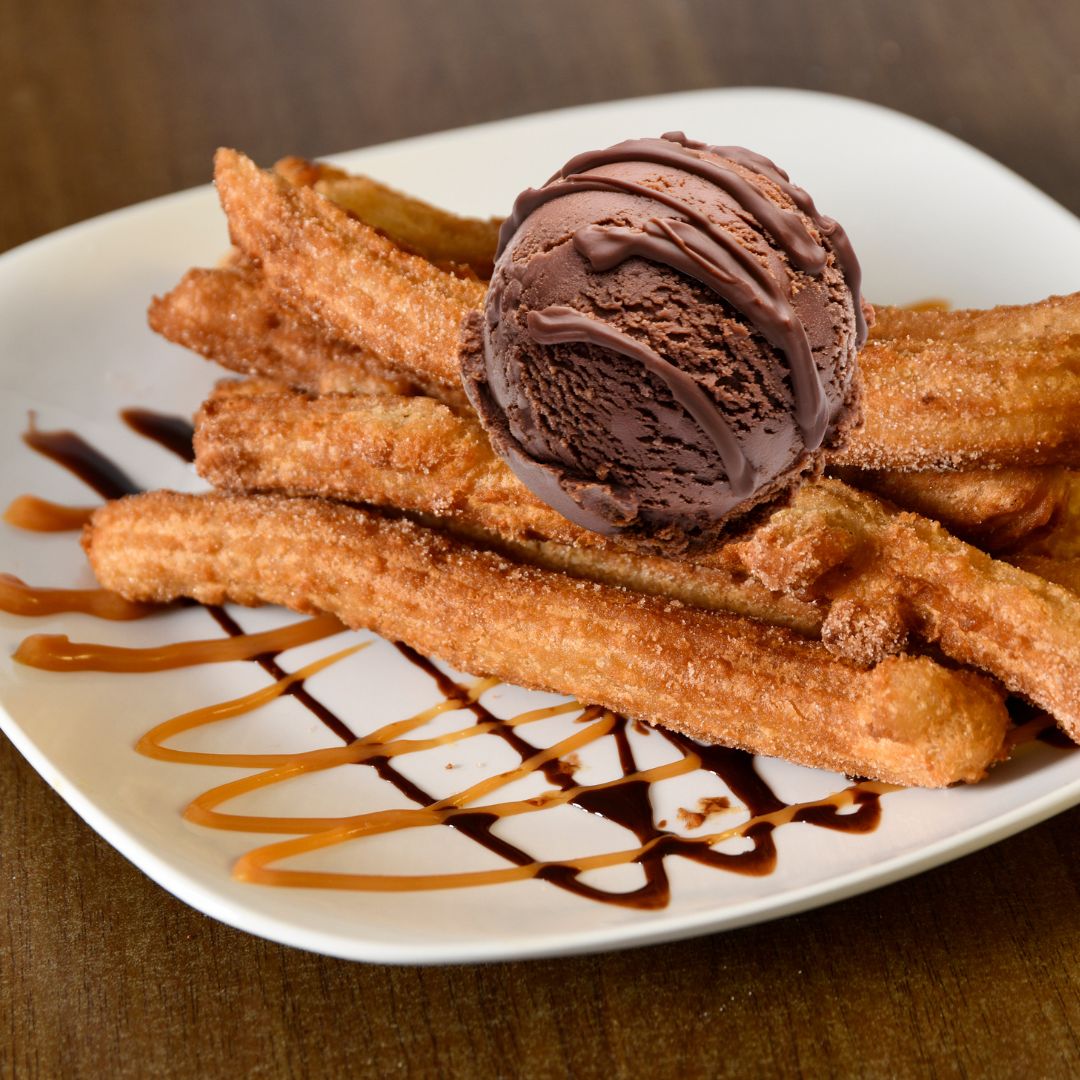

Chocolate coating for chilled and frozen products is a specially formulated coating designed to be applied to popsicles, ice cream, ice cream bars, frozen desserts, and other similar products.
Unlike conventional chocolate, these coatings are designed to perform effectively in low-temperature applications. When they come into contact with a chilled or frozen product, they quickly form an even layer with a glossy finish, good adhesion, and a pleasant texture when consumed.
To achieve this performance, the coating must be melted before application and kept in a liquid state throughout the production process. Subsequently, when it comes into contact with the frozen product, it quickly solidifies, forming the coating.
Recommendations for Optimal Chocolate Coating Performance
Chocolate coatings are formulated to provide excellent performance when used under the recommended conditions. Improper handling can alter their properties and affect the final result.
1. Melt at the Recommended Temperature
The coating should be melted gradually and maintained at the recommended working temperature for each product. Always refer to the instructions provided by each brand.
Avoid overheating the coating above 50°C (122°F), as excessive heat can alter its behavior, viscosity, gloss, and performance during application. Once the coating has been burned, the damage is irreversible. Continuing to heat it or attempting to cool it down will not restore its original properties.
We recommend using a chocolate melter or warmer with temperature control, as this allows the coating to remain in optimal condition throughout the production process.
2. Do Not Add Water
The coating is formulated to be used as supplied. Any contact with water should be avoided during the process. Water can be accidentally introduced through:
Improperly used double boilers.
Water vapor or steam.
Wet utensils.
Popsicles or ice cream with excess surface moisture.
The presence of water can cause the coating to become significantly more viscous or harden, making application difficult. This damage is irreversible.
3. Do Not Overheat in a Microwave
If a microwave is used to melt small quantities, heat the coating in short intervals and stir between each cycle. Heating for prolonged periods can burn the coating.
4. Do Not Dilute with Oil to Increase Yield
Some users add oil in an attempt to make the coating go further or reduce its viscosity. This practice alters the product's original formulation and may affect:
Coating thickness.
Setting time.
Adhesion to the popsicle or ice cream.
Gloss.
Final texture.
Coating resistance.
To achieve the expected performance, we recommend using the coating without modifying its formulation.
5. Check the Temperature of the Product Being Coated
Popsicles and ice cream should be sufficiently frozen before coating. If the product has surface moisture or begins to thaw, it may release water into the coating.
This can affect the coating's viscosity and performance, making application more difficult and reducing the quality of the final finish.
6. Keep the Coating Clean During Production
Throughout the production process, prevent the following from entering the coating container:
Water.
Ice.
Residue from other ingredients.
Wet utensils.
This helps preserve the quality and performance of the coating throughout the entire production process.

The Challenge of Shipping During Hot Weather
During distribution, chocolate coatings may be exposed to environmental conditions that can cause them to soften or melt, particularly during the summer months.
All of our shipments are sent from El Paso, Texas, using parcel delivery services. Depending on the destination, a product may travel hundreds or thousands of miles and remain in transit for several days. During this journey, it is normal for packages to be loaded and unloaded multiple times.
What Can Happen During Transportation?
When high temperatures coincide with the intensive handling typical of parcel delivery, situations such as the following may occur:
The coating may arrive liquid or partially liquid.
The contents may put pressure on the inner bag.
Leakage may occur inside the protective bag.
The box may show surface chocolate stains.
The product may change shape inside the bag or separate into layers.
These situations do not necessarily mean that the coating has lost its quality or functionality.
Why Do We Use Double-Bag Protection?
To reduce the impact of these transportation conditions, some brands already supply their coatings in a high-strength inner bag. This additional packaging step is carried out at the manufacturing facility as a preventive measure to help reduce incidents during transportation.
In addition, before shipping, La Tiendita Essentials places a second protective bag around the container to help contain potential leaks, prevent other products from becoming stained, and facilitate cleanup in the event of leakage.
For this reason, during periods of extreme heat, the La Tiendita Essentials team will recommend:
Shipping orders earlier when the weather forecast is favorable (communicated through our social media channels).
Monitoring weather conditions to identify periods of increased shipping risk.
Informing customers when temperatures may increase the risk during transportation and, when appropriate, postponing shipment until weather conditions improve.
Our goal is to minimize transportation-related risks and help ensure that your chocolate coating arrives in the best possible condition.
Situation | Can it be recovered? | Recommendation |
The coating arrived liquid due to heat during transportation. | Yes | Homogenize and use as usual. |
The coating separated into layers. | Yes | Homogenize and use as usual. |
The coating solidified again after transportation. | Yes | Melt following the recommended procedure. |
The coating was overheated during melting. | No | Discard the affected product. |
Water was accidentally added. | Generally, no | Avoid contact with water throughout the entire process. |
Oil was added to dilute the coating. | Not reversible | Performance may be affected and the original formulation cannot be restored. |
Learn more in the article: Shipping Risk Guide for Chocolate Coatings


Comments